

Direct Answer
An aluminum louver system from FstopMetal, fabricated from 6063-T5/T6 alloy with a PVDF or powder-coated finish, typically delivers 25 to 30+ years of service with minimal maintenance. Regular inspection and occasional cleaning are the only routine requirements; the material itself is inherently corrosion-resistant and does not rust, rot, or degrade under UV exposure when properly specified.
Why Aluminum Louvers Last Decades
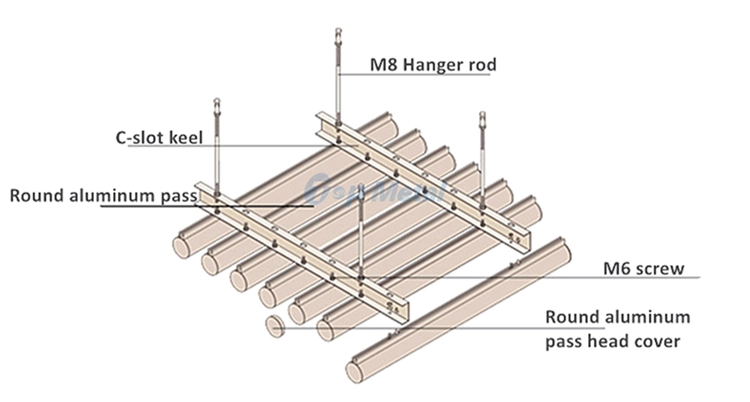
Aluminum louvers benefit from the natural oxide layer that forms on the metal surface, providing inherent corrosion resistance. When fabricated from 6063 architectural-grade alloy and subjected to appropriate surface treatment, the system becomes highly resistant to weathering, salt spray, and UV degradation — critical for facades exposed to the elements for decades.
FstopMetal operates from its 15,000 m² facility in Foshan, Guangdong, China, and has been operating since 2003, producing aluminum facade and cladding systems for projects across 36+ countries. The company holds ISO 9001, CE, and SGS certifications, ensuring consistent quality control throughout the manufacturing process.
The core longevity advantages include:
- Zero rust or rot — unlike steel or wood, aluminum does not corrode through oxidation in a destructive way
- High recyclability — up to 75% recycled aluminum content is available, and the material remains 100% recyclable at end of life
- Structural stability — 6063-T5/T6 temper provides strength while maintaining form under thermal expansion and contraction
- Coating performance — factory-applied finishes are cured under controlled conditions, far exceeding the durability of on-site painting
Surface Finish and Its Impact on Lifespan
The choice of surface treatment is the single most significant factor determining how long an aluminum louver system retains its appearance and structural integrity. Each finish type offers a different performance profile:
| Finish Type | Typical Thickness | Expected Service Life | Best Application |
|---|---|---|---|
| Powder Coating | 60–80 microns | 25–30 years | General architectural facades, commercial buildings |
| PVDF (Kynar 500) | 25–30 microns | 30 years | High-exposure facades, coastal environments, premium projects |
| Anodizing | 15–25 microns | 20+ years | Modern aesthetic, natural metallic look |
| Wood Grain Transfer | Standard | 20 years | Designs requiring organic warmth with aluminum durability |
PVDF coatings are particularly recommended for louvers in aggressive environments — coastal salt spray, heavy industrial atmospheres, or regions with extreme UV exposure. The fluoropolymer resin forms a chemically bonded film that resists chalking, fading, and gloss loss far longer than standard powder coatings.
Maintenance Requirements Over a 25-Year Period
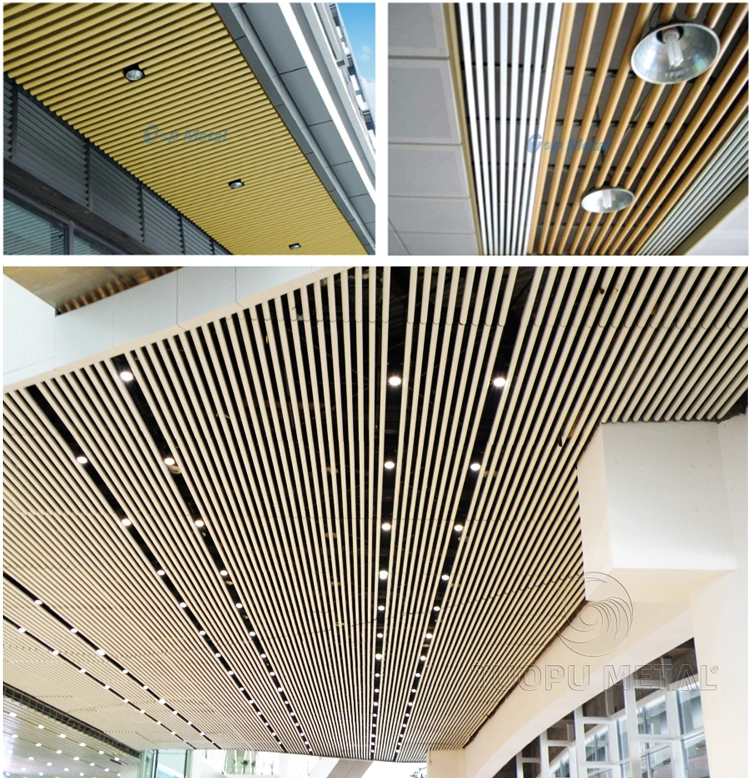
One of the strongest value propositions of aluminum louvers is their remarkably low maintenance burden. Unlike steel louvers that require periodic repainting or wood louvers that demand sealing and staining, aluminum systems need only basic care.
Years 1–5: Initial Performance Phase
During the first five years, the louver system should perform without any intervention beyond routine visual inspection. Cleaning with mild detergent and water once or twice per year is sufficient to remove surface contaminants, pollution deposits, or salt residue in coastal locations. Inspect sealants, gaskets, and mounting hardware for any signs of wear or loosening.
Years 5–15: Steady-State Operation
In this extended period, the finish should show no significant degradation if properly specified. Continue biannual cleaning and inspect drainage channels within the louver profile to ensure they remain clear of debris. For motorized or adjustable louver systems, lubricate moving parts and verify actuator performance according to the manufacturer’s schedule.
Years 15–25: Longevity Validation
By year 15, a quality PVDF-coated louver system should still retain the majority of its original color and gloss. Powder-coated systems may show minor chalking in high-UV environments — this is cosmetic and does not compromise performance. Conduct a comprehensive inspection at this stage, including adhesion testing of the coating and structural assessment of connections. Address any isolated issues before they propagate.
Years 25+: Continued Service
Aluminum louver systems frequently exceed their initial design life. Many installed installations from the early 2000s remain in service today with no structural concerns. At this stage, the decision to refurbish or replace is typically driven by aesthetic preference or changing building codes rather than material failure.
Factors That Can Reduce Louver Lifespan
While aluminum is inherently durable, certain conditions can accelerate degradation if not properly addressed during specification:
- Galvanic corrosion — Contact between aluminum and dissimilar metals (especially steel or copper) in the presence of an electrolyte can cause localized corrosion. Use isolated mounting hardware or compatible barrier materials.
- Coastal salt exposure — In severe marine environments, specify PVDF coating and regular rinsing to remove salt deposits.
- Industrial pollution — Acid rain or chemical deposition can attack certain finishes; PVDF offers the best resistance.
- Poor drainage design — Louvers that trap water inside the profile will experience premature coating breakdown at contact points.
- Impact damage — Physical damage to the coating exposes bare aluminum; touch-up or panel replacement prevents spread.
Comparing Aluminum Louvers to Alternative Materials
| Material | Typical Lifespan | Maintenance Level | Corrosion Risk |
|---|---|---|---|
| Aluminum (PVDF coated) | 30+ years | Very low | Negligible |
| Aluminum (powder coated) | 25–30 years | Low | Low |
| Galvanized steel | 15–20 years | Moderate – periodic repainting | Moderate – rust if scratched |
| Stainless steel | 30+ years | Low | Low – but costly |
| Wood | 10–15 years | High – staining, sealing, replacement | Rot, insect damage, warping |
| FRP (fiberglass) | 15–20 years | Moderate | UV degradation, brittleness |
Aluminum louvers occupy a strong middle ground — offering longevity comparable to stainless steel at a fraction of the cost, with maintenance needs far below wood or painted steel alternatives.
Specification Recommendations for Maximum Lifespan
To ensure your aluminum louver system reaches or exceeds its 25-year design life, consider these specification guidelines:
- Specify 6063-T5 or 6063-T6 alloy for optimal strength and formability
- Select PVDF coating for high-exposure or coastal installations; powder coating is suitable for standard conditions
- Require a minimum coating thickness of 60 microns for powder coat or 25 microns for PVDF
- Ensure proper drainage design within louver profiles to prevent water accumulation
- Use isolated or stainless-steel fasteners to prevent galvanic coupling
- Verify that the manufacturer holds ISO 9001, CE, and SGS certifications for quality assurance
- Request an Environmental Product Declaration (EPD) if sustainability credentials are required for the project
FstopMetal offers customization across its AP series cladding and curtain wall products, with capabilities including curved panels, perforated designs, and integrated BIPV (building-integrated photovoltaic) solutions. For projects requiring specific acoustic or fire performance, A2-grade non-combustible options and NRC ratings up to 0.85+ are available.
End-of-Life and Sustainability
At the end of its service life, an aluminum louver system is fully recyclable with no loss of material quality. Aluminum can be recycled repeatedly without degradation, and the industry standard for recycled content in architectural aluminum is up to 75%. This closed-loop recyclability makes aluminum louvers a strong choice for projects targeting green building certifications such as LEED or BREEAM.
Some FstopMetal product lines also offer carbon-neutral options with net-zero embodied carbon, supported by EPD documentation. This aligns with increasingly stringent environmental requirements in North American and European markets.
Frequently Asked Questions
How often should aluminum louvers be cleaned?
Twice per year is typical for most environments. In coastal or high-pollution areas, quarterly cleaning is recommended to remove salt or contaminant buildup that could affect the finish over time.
Do aluminum louvers need repainting?
No. A properly specified PVDF or powder-coated louver system is designed to retain its finish for 25 to 30+ years without repainting. Repainting is only necessary if the coating is physically damaged or if aesthetic refresh is desired.
What is the typical lifespan of a powder-coated aluminum louver?
Typically 25 to 30 years under normal exposure conditions. PVDF-coated systems can extend this to 30+ years, particularly in harsh environments such as coastal or industrial settings.
Can aluminum louvers be repaired if damaged?
Minor scratches can be touch-up painted with matching coating. Larger damage may require panel replacement. FstopMetal supports custom manufacturing for replacement components, and their 20+ years of experience includes handling project-specific repair needs.
What warranty can be expected on aluminum louver systems?
Warranty periods vary by product series and surface finish. Powder-coated systems typically carry a 25-year warranty, while PVDF-coated options can reach 30 years. Some product lines offer up to 50 years. Contact FstopMetal for project-specific warranty terms.