


What Are Clip-In Aluminum Ceiling Tiles?
A clip-in aluminum ceiling tile is a pre-finished aluminum panel system designed to drop into a concealed or exposed grid without visible fasteners. The panel edges feature a rolled lip that clips into T-bar or similar suspension grids, producing a clean, seamless ceiling plane. For shopping malls, this system is widely specified because it combines aesthetic flexibility with practical performance—easy access to plenum services, good acoustics, and a refined retail environment.
Clip-in aluminum ceiling tiles are manufactured from architectural-grade aluminum alloys, typically 6063, and can be supplied in T5 or T6 temper for improved structural rigidity. The panels are available in flat, perforated, and custom geometric configurations, with surface treatments ranging from powder coating to anodizing and wood-grain finishes. FstopMetal produces these systems in Foshan, Guangdong, China, and ships to projects across 36+ countries.
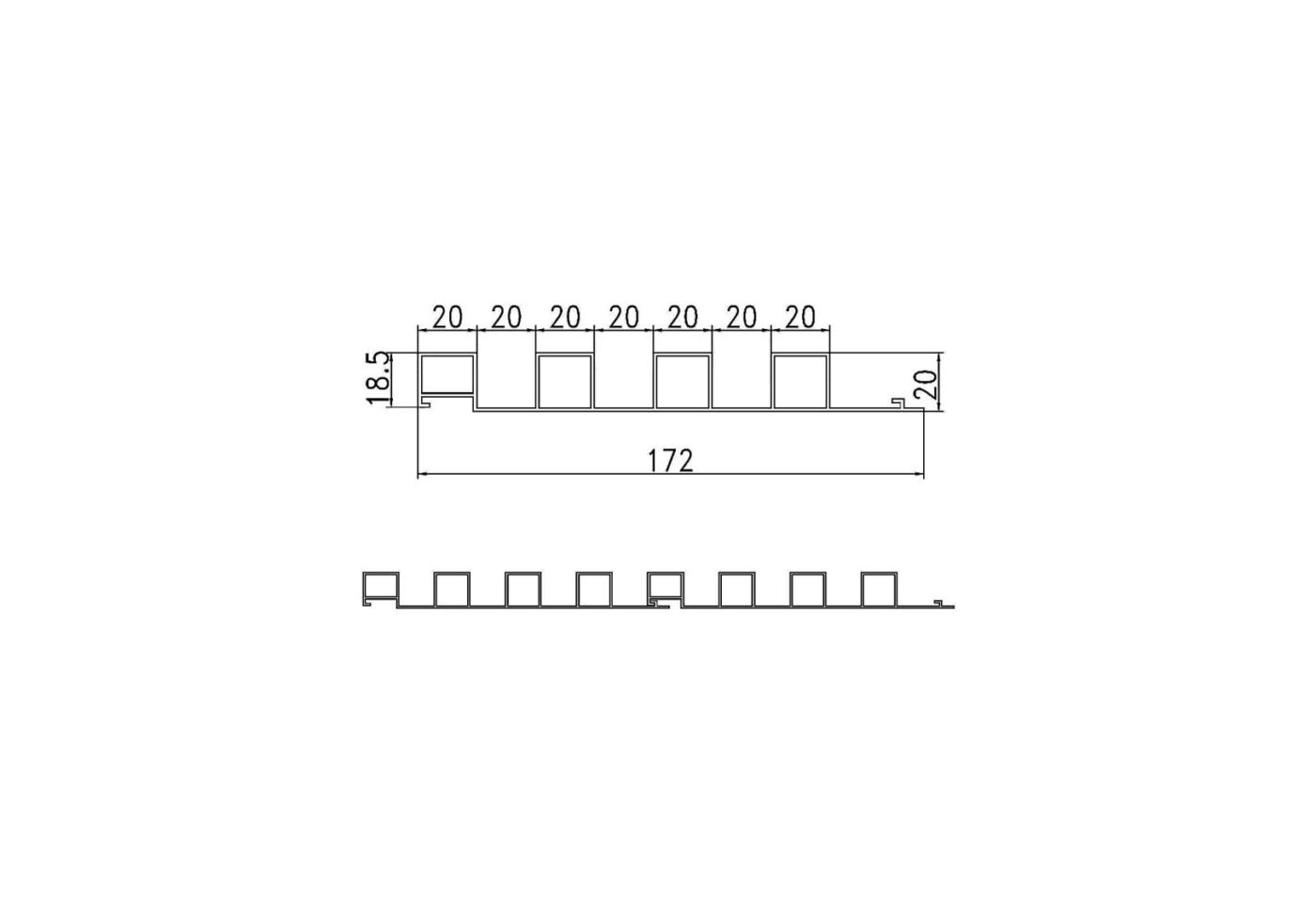
Why Clip-In Aluminum Ceilings Are a Strong Choice for Shopping Malls
Shopping malls present a unique set of ceiling requirements: high foot traffic, extensive mechanical and electrical services in the plenum, strict fire and acoustic codes, and the need for a visually appealing retail atmosphere. Clip-in aluminum ceiling tiles address these demands effectively.
Acoustic Performance in High-Traffic Environments
- Perforated aluminum ceiling panels can achieve NRC ratings of 0.85 and above when paired with appropriate acoustic backing materials such as foam or mineral wool.
- Open-grille and slat configurations provide natural ventilation while managing sound reflection in large atrium spaces.
- Acoustic optimization is particularly valuable in food courts, walkways, and anchor-store corridors where ambient noise levels are highest.
Plenum Accessibility and Maintenance
- Clip-in panels can be individually removed and reinstalled without damaging the surrounding ceiling plane, simplifying access to HVAC, lighting, fire-sprinkler, and security systems.
- This modularity reduces long-term maintenance costs and downtime compared to fixed-ceiling solutions.
- Mall facility teams can respond quickly to service requests without full ceiling demount.
Aesthetic Versatility for Retail Branding
- A wide range of colors, finishes, and panel geometries allows designers to create cohesive brand identities across different mall zones.
- Perforated patterns can be customized for parametric façade and ceiling designs, supporting both decorative and functional objectives.
- Wood-grain and anodized finishes offer premium visual alternatives to standard powder-coated surfaces.
Key Specifications to Consider When Specifying Clip-In Aluminum Ceiling Tiles
Specifying the right clip-in aluminum ceiling tile for a shopping mall requires attention to material grade, panel geometry, surface treatment, acoustic performance, and compliance documentation. The table below summarizes the critical specification parameters.
| Specification Parameter | Typical Options | Notes for Mall Projects |
|---|---|---|
| Aluminum Alloy | 6063, 6063-T5/T6 | T5/T6 temper provides higher yield strength for larger span applications |
| Panel Thickness | Variable by project | Project confirmation required for exact thickness selection |
| Panel Format | Square, perforated, grille, custom 3D/honeycomb | Perforated panels pair with acoustic backing for NRC 0.85+ |
| Surface Finish | Powder coating, anodizing, PVDF, wood-grain transfer | Powder-coat膜厚 typically 60-80 microns; anodizing 15-25 microns; PVDF 25-30 microns |
| Acoustic Rating | NRC up to 0.85+ | Depends on perforation rate and backing material |
| Grid Compatibility | T-bar, exposed, concealed | Must be verified against chosen suspension system |
| Certifications | ISO 9001, CE, SGS | Fire rating requirements vary by jurisdiction and must be verified by a third-party report |
| Recycled Content | Up to 75% recycled aluminum | EPD certification available for sustainability documentation |
Surface Finish Selection for Mall Environments
The surface finish is one of the most impactful specification decisions for a shopping mall ceiling. High-traffic retail environments demand finishes that resist fingerprints, cleaning chemicals, and abrasion. Powder coating is the most commonly specified option due to its durability and broad color availability. For projects requiring enhanced weather and chemical resistance, PVDF finishes provide superior performance. Anodized finishes offer a distinctive metallic appearance with excellent corrosion resistance. Wood-grain transfer finishes are suitable for malls seeking warm, natural aesthetics without the maintenance requirements of real wood.
Acoustic Design Strategy
Acoustic comfort in shopping malls is governed by local building codes and the specific design intent for each zone. Perforated aluminum ceiling tiles, when combined with sound-absorbing backing materials, can significantly reduce reverberation time in large open-plan retail spaces. The perforation rate—the percentage of open area in the panel—directly influences both acoustic performance and visual density. A higher perforation rate generally improves sound absorption but may reduce the panel’s structural rigidity. Project confirmation is required to balance these factors for each ceiling area.
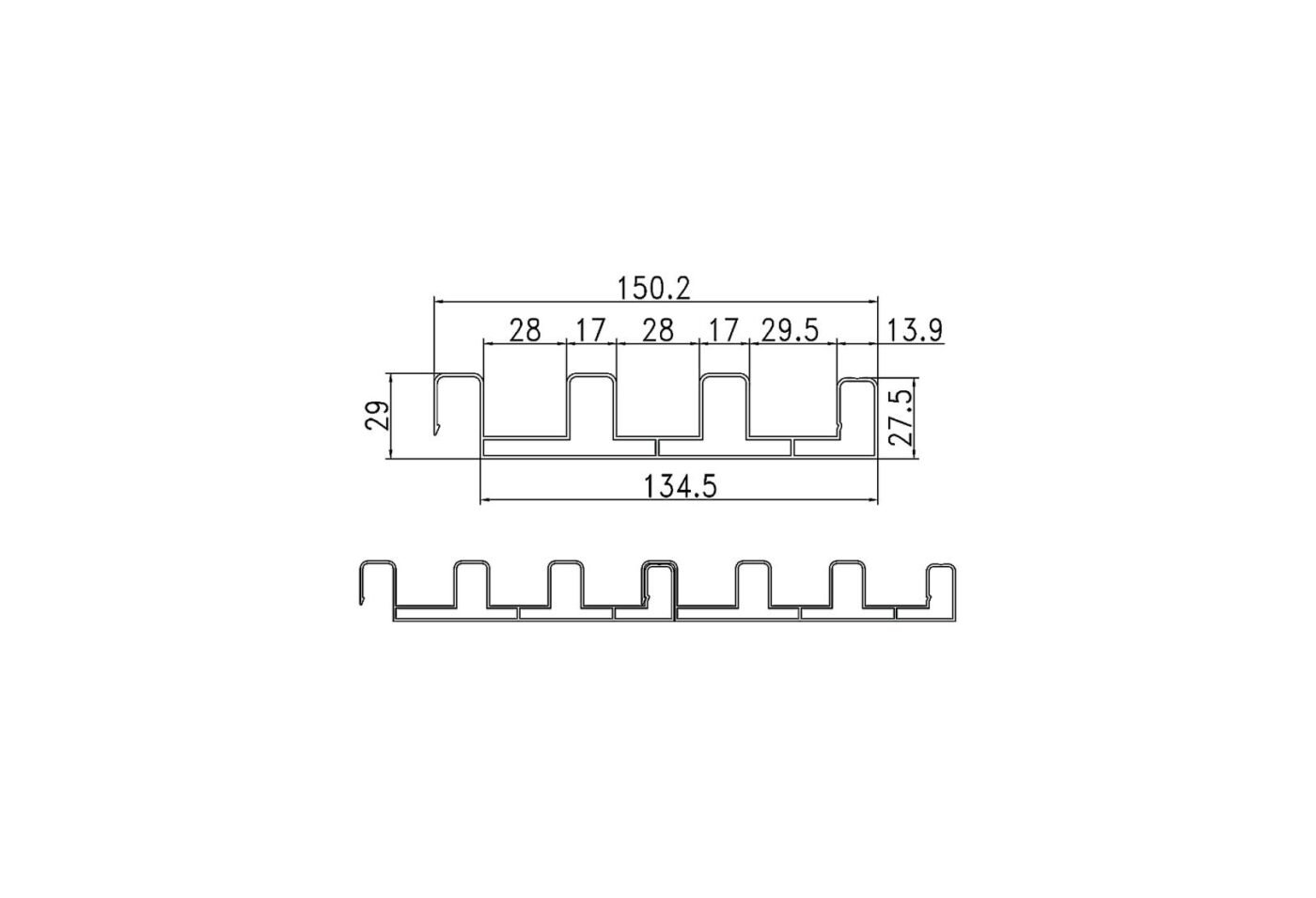
Sustainability and Compliance Considerations
Modern shopping mall projects increasingly require sustainability documentation and compliance with green building standards. FstopMetal’s aluminum ceiling systems incorporate up to 75% recycled aluminum content, and EPD (Environmental Product Declaration) certification is available for projects that require lifecycle environmental data. Aluminum is 100% recyclable without loss of material properties, supporting circular-economy objectives.
Fire compliance is a critical specification item for mall ceilings. Fire rating requirements vary by jurisdiction, and the appropriate classification must be verified through third-party testing and reporting specific to the project location. Designers should request relevant test documentation from the manufacturer and confirm compliance with local fire codes before finalizing specifications.
For projects requiring CE marking for European markets or SGS verification for quality assurance, FstopMetal’s manufacturing processes are supported by ISO 9001, CE, and SGS certification frameworks. EPD documentation can be provided upon request for sustainability reporting purposes.
Installation and Coordination Best Practices
Successful installation of clip-in aluminum ceiling tiles depends on proper coordination between the ceiling contractor, MEP engineers, and the architectural team. The following best practices help ensure a smooth installation process.
- Grid Layout Planning: Coordinate the suspension grid layout with lighting, HVAC diffuser, and sprinkler positions during the design development phase to minimize field modifications.
- Panel Sequencing: Establish a logical panel installation sequence that accounts for access panels, service hatches, and transition details at walls and columns.
- Plenum Clearance: Verify that plenum depth is sufficient for all mechanical, electrical, and fire-protection services before ceiling grid installation begins.
- Finish Protection: Implement protective measures during installation to prevent scratches and contamination of the finished surface, particularly for anodized and high-gloss powder-coated panels.
- Quality Inspection: Conduct a joint inspection of the installed ceiling plane for alignment, gap consistency, and finish integrity before handover.
FstopMetal provides technical support and installation guidance for international projects. For specification questions, sample requests, or project-specific consultation, contact Jimmy at TOP METAL & TUORUNDA via WhatsApp at +86-139-2919-8578 or email sales2@trdoutdoor.com.
Frequently Asked Questions
What is the difference between clip-in and lay-in aluminum ceiling panels?
Clip-in panels feature a rolled edge that locks into the grid, producing a tighter, more secure fit with minimal visible gaps. Lay-in panels rest on top of the grid members and are easier to install but may show more visible seams. Clip-in systems are generally preferred for high-end retail environments where a refined ceiling appearance is a priority.
Can clip-in aluminum ceiling tiles be used in mall food courts and high-humidity areas?
Yes. Aluminum is inherently resistant to corrosion and moisture, making it suitable for high-humidity environments such as food courts. The specified surface finish should be selected based on the environmental conditions—PVDF and anodized finishes offer enhanced chemical and moisture resistance for demanding applications.
What acoustic performance can be expected from perforated clip-in ceiling tiles?
Perforated aluminum ceiling panels with appropriate acoustic backing can achieve NRC ratings of 0.85 and above. The actual performance depends on the perforation pattern, panel thickness, backing material, and installation configuration. Project-specific acoustic calculations are recommended for code-compliant design.
Are FstopMetal ceiling panels compliant with international fire codes?
Fire rating requirements vary by jurisdiction. FstopMetal’s products must be evaluated against the specific fire code requirements of the project location, and compliance must be verified by a third-party test report. Designers should request relevant fire-performance documentation from the supplier before finalizing specifications.
What is the minimum order quantity for custom clip-in aluminum ceiling tiles?
Minimum order quantities vary by product series and specification. Please contact the sales team for project-specific pricing and ordering information.
Talk to Our Team
Planning a project or comparing suppliers? Send us your drawings, panel schedule or quantity list and we will come back with a specification proposal and a budget range for your review.
- Company: TOP METAL & TUORUNDA
- Contact: Jimmy
- WhatsApp: +86-139-2919-8578
- Email: sales2@trdoutdoor.com