

Direct Answer
For stadium concourses, perforated aluminum curtain wall panels are typically the stronger choice because they combine high-traffic durability with natural ventilation and acoustic control, while solid aluminum panels excel where weather shielding, thermal performance, or integrated BIPV is the priority. The decision hinges on whether airflow and acoustics or thermal insulation and发电 integration matter more for your specific concourse design.
Understanding the Two Systems
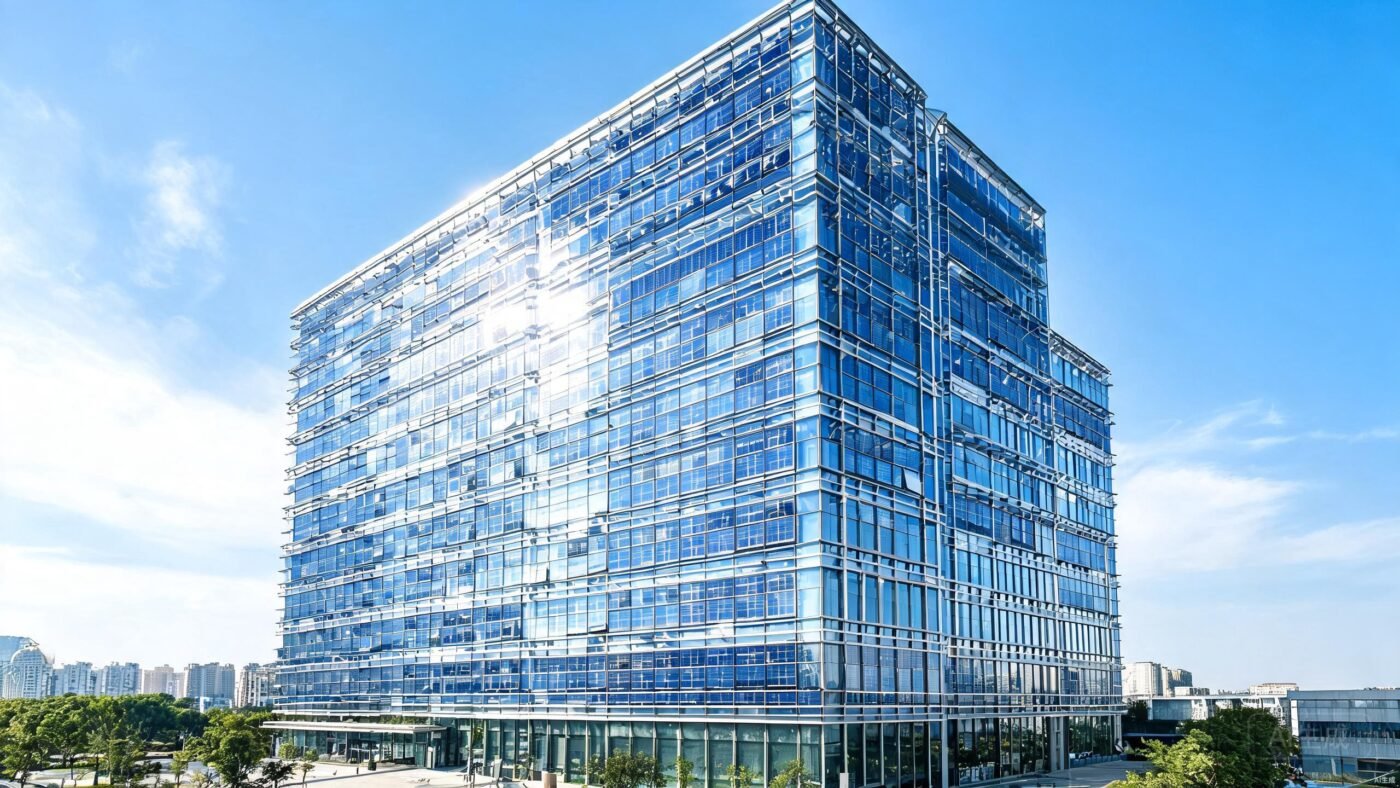
Aluminum curtain wall panels and perforated aluminum panels are both architectural cladding solutions manufactured from alloy 6063 in its T5 or T6 temper, but they serve different performance priorities on stadium concourses.
Solid Aluminum Curtain Wall Panels
Solid panels—such as the AP series from FstopMetal—are non-ventilated cladding elements designed primarily for weather resistance, thermal performance, and clean aesthetic lines. They are commonly specified for unitized curtain wall systems where factory prefabrication speeds on-site installation. These panels can achieve U-values as low as 0.8 W/m²K when paired with appropriate insulation cores, and they are compatible with BIPV (building-integrated photovoltaic) configurations for facades that double as energy generators.
Perforated Aluminum Panels
Perforated panels—such as the AP300 series—feature precisely engineered hole patterns that allow air and light to pass through while maintaining structural rigidity and visual impact. The open area ratio is adjustable to balance ventilation, shade, and aesthetic density. These panels are widely used where concourse environments demand cross-ventilation, daylight penetration, and sound management without fully enclosing the space.
Performance Comparison for Stadium Concourses
Stadium concourses present a unique set of demands: high foot traffic, intermittent crowd loads, exposure to weather at open edges, and the need for both wayfinding clarity and acoustic comfort. The table below compares the two systems across the criteria that matter most for this application.
| Performance Criterion | Solid Aluminum Panel | Perforated Aluminum Panel |
|---|---|---|
| Ventilation & Airflow | Non-ventilated; requires separate opening strategy | Inherent airflow through perforation pattern |
| Acoustic Performance | Reflective surface; limited sound absorption | NRC up to 0.85+ when combined with acoustic backing |
| Thermal Insulation | Low U-values achievable with insulated cores | Lower thermal resistance due to open structure |
| Daylight & Visibility | Opaque; blocks light and views | Permeable; allows light and visual connectivity |
| Wind Load Performance | High solid area provides consistent wind resistance | Reduced wind load due to open area; requires engineering validation |
| Maintenance & Cleaning | Smooth surface; easier to clean | Perforations can collect debris; requires periodic inspection |
| Design Flexibility | Curved and complex geometries available | Pattern customization for branding and wayfinding |
| Sustainability | Recycled aluminum content up to 75%; EPD available | Same material sustainability; reduced material usage per area |

When to Specify Solid Panels
Solid aluminum curtain wall panels are the better specification when the concourse design prioritizes the following:
- Thermal envelope integrity: Where the concourse is partially or fully enclosed and building energy performance is a project requirement, solid panels with insulated cores deliver measurable U-value improvements.
- Weather protection at open edges: Concourse canopies and roof edges exposed to driving rain benefit from the continuous weather barrier that solid panels provide.
- BIPV integration: When the facade is intended to generate on-site electricity, BIPV aluminum panels embed photovoltaic cells within the panel structure, turning the concourse envelope into a power source.
- Minimal maintenance environments: Solid smooth-surface panels in powder-coated or PVDF finishes resist staining and are simpler to maintain in high-traffic zones where cleaning access is limited.
- Curved or sculptural facades: The AP200 curved panel series allows custom-radius fabrication for architectural expressions that solid perforated panels cannot easily replicate.
When to Specify Perforated Panels
Perforated aluminum panels are the stronger choice when the concourse design emphasizes these outcomes:
- Natural ventilation: Perforated facades promote passive air exchange, reducing reliance on mechanical HVAC in semi-open concourse environments and improving comfort during peak event hours.
- Acoustic comfort: Stadium concourses are among the noisiest spaces in a sports venue. Perforated panels paired with mineral wool or foam backing achieve NRC ratings above 0.85, significantly reducing reverberation and crowd noise spill.
- Wayfinding and branding: Custom perforation patterns can encode team logos, directional graphics, or sponsor messaging directly into the facade, turning the cladding into a communication surface.
- Daylight harvesting: Perforated screens allow controlled daylight to reach the concourse floor, reducing artificial lighting demand during daytime events and improving the spectator experience.
- Reduced wind load: In high-wind coastal or elevated stadium locations, the open area of perforated panels reduces the pressure load on the supporting structure, potentially lowering structural costs.
Surface Finish and Longevity
Both solid and perforated panels from FstopMetal are available with a range of surface treatments that affect appearance, durability, and maintenance intervals. The factory in Foshan, Guangdong applies these finishes to 6063-T5 or 6063-T6 alloy substrates.
| Finish Type | Typical Thickness | Best Suited For |
|---|---|---|
| Powder Coating | 60–80 microns | General concourse cladding; wide color range |
| PVDF (Kynar 500) | 25–30 microns | High UV exposure; coastal or extreme climate stadiums |
| Anodizing | 15–25 microns | Metallic aesthetic; natural aluminum appearance |
| Wood Grain Transfer | Standard | Architectural warmth; premium venue aesthetics |
Warranty coverage for finishes varies by product series and treatment type, and is specified individually per contract. For stadium concourse applications exposed to heavy use and environmental stress, PVDF coatings are typically recommended for their proven color retention and chalk resistance.
Sustainability and Certifications
FstopMetal operates from Foshan, China, and ships to 36+ countries. All curtain wall and perforated panel products are manufactured under ISO 9001 quality management systems and carry CE marking for European market compliance. SGS verification is available for material and performance testing. EPD (Environmental Product Declaration) certification is offered for the aluminum curtain wall system, supporting projects that require embodied carbon documentation for green building rating systems.
The aluminum substrate contains up to 75% recycled content, and all panels are 100% recyclable at end of life. For stadium projects with sustainability mandates, these attributes apply equally to solid and perforated panel product lines.
Installation and Project Coordination
Unitized solid curtain wall panels are factory-assembled into complete wall sections, which can reduce on-site installation time by approximately 40% compared to stick-built systems. Perforated panels are typically supplied as individual panels or modular sections and are mounted to a subframe using standard hanging or concealed fixings.
For both systems, FstopMetal provides technical support and installation guidance for international projects. Fire performance must be verified against the requirements of the project’s jurisdiction, and third-party test reports should be requested for compliance documentation.
Frequently Asked Questions
Can perforated aluminum panels meet the structural requirements for stadium concourse facades?
Yes. Perforated aluminum panels are engineered to meet structural wind load requirements for their specified open area ratio. The reduction in solid material is compensated by panel thickness, alloy temper (6063-T5 or T6), and subframe design. Structural calculations must be completed for each project, and FstopMetal provides engineering support during the specification phase.
Do solid aluminum curtain wall panels offer any acoustic advantage over perforated panels?
Solid panels do not absorb sound; they reflect it. In a concourse environment, this can contribute to higher reverberation levels. Perforated panels, when combined with acoustic backing materials such as mineral wool or foam, provide meaningful sound absorption with NRC ratings above 0.85. If acoustic control is a priority, perforated panels are the more effective choice.
Is BIPV available for both solid and perforated panel formats?
BIPV (building-integrated photovoltaic) panels are offered in the solid panel format. The photovoltaic cells are embedded within the panel core, requiring a continuous opaque surface. Perforated panels cannot integrate BIPV functionality due to their open structure. Projects seeking both energy generation and ventilation should consider a hybrid approach, combining BIPV solid panels in select zones with perforated panels in ventilation-critical areas.
What is the minimum order quantity for stadium concourse panel orders?
Minimum order quantities vary by product series and specification. FstopMetal works with project-specific requirements, and procurement teams should contact sales directly to discuss ordering parameters for their particular concourse scope.
How does FstopMetal support international stadium projects from specification through installation?
FstopMetal provides technical drawings, structural calculation support, surface finish samples, and on-site installation guidance for international projects. The company holds CE certification for European market compliance and SGS verification for quality assurance. All certifications, including ISO 9001, apply across the product range. Lead times and warranty terms are confirmed per contract based on product series, finish, and order volume.