
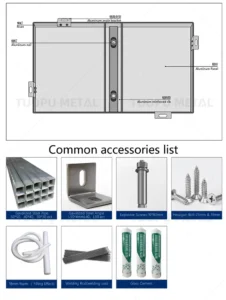


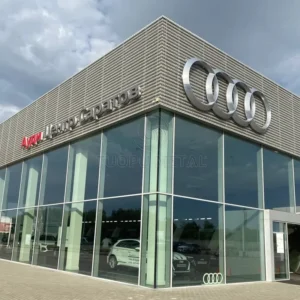

Aluminum fence panels are the preferred perimeter and interior security solution for data centers because they combine high structural strength, corrosion resistance, and design flexibility in a lightweight, fully recyclable material. Unlike steel alternatives, aluminum fence panels do not require galvanization or regular repainting, and they can be engineered to meet the strict load, impact, and aesthetic demands of mission-critical facilities.
Why Data Centers Require Specialized Fencing Solutions
Data centers are among the most security-sensitive commercial buildings in operation. They house high-value computing infrastructure, maintain continuous power and cooling requirements, and serve as the backbone for cloud services, financial transactions, and enterprise operations. A perimeter or interior fence in this environment must satisfy multiple performance criteria simultaneously: physical deterrence, environmental resilience, electromagnetic compatibility, and fire safety compliance.
Traditional steel fencing introduces several complications for data center operators. Carbon steel is susceptible to corrosion in humid or chemically aggressive environments, which is particularly relevant in coastal installations or facilities using aggressive cooling-water treatments. Steel fences also require periodic painting or galvanic maintenance, and their ferromagnetic properties can interfere with sensitive RFID and access-control hardware if not carefully specified.
Aluminum fence panels address these concerns natively. The material forms a stable oxide layer that protects against atmospheric degradation, eliminating the need for repeated surface refinishing. Aluminum is non-ferrous, so it does not create magnetic interference with data center access systems. And because the material is inherently lightweight yet structurally robust when formed from 6063-T5 or 6063-T6 alloys, it simplifies both transportation and on-site installation in facilities where crane access may be limited.
Key Application Zones for Aluminum Fence Panels in Data Centers
Perimeter Security Fencing
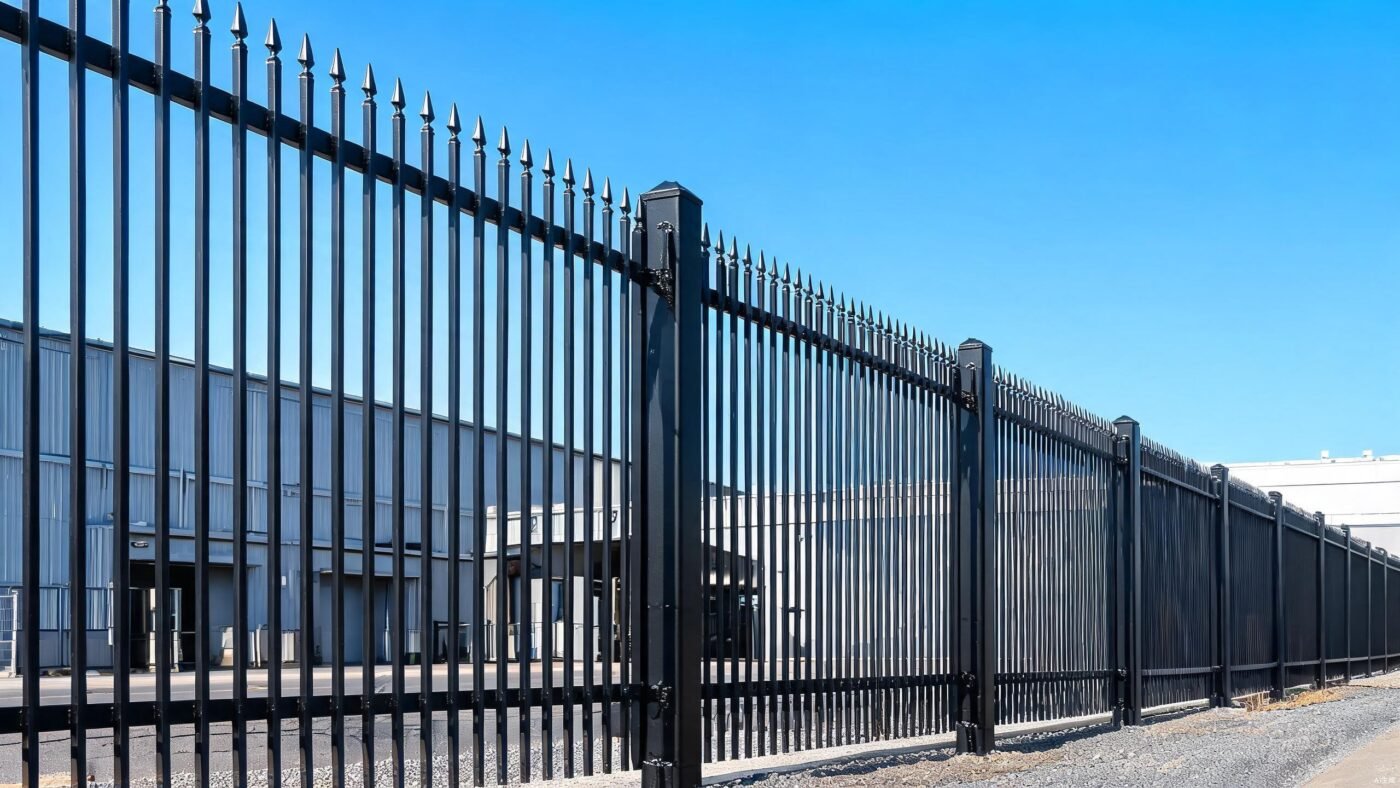
The outer boundary of a data center campus demands the highest level of physical deterrence. The C300 high-security aluminum fence series is engineered for this application, featuring anti-climb geometry and anti-cut reinforcement zones. Vertical picket spacing, rail configuration, and post embedment depth are all configurable to align with the risk profile of each site. For facilities located in regions with high wind loads or seismic activity, the aluminum fence panel system can be engineered with reinforced post bases and braced rail connections without sacrificing corrosion resistance.
Interior Zoning and Access Control
Modern data centers are divided into multiple security zones: public reception areas, server halls, mechanical rooms, and emergency egress corridors. Aluminum fence panels serve as clear visual and physical barriers between these zones. The A100 classic horizontal-rail series provides an economical and clean-lined solution for interior division, while the B200 decorative series offers a refined aesthetic for executive-facing or client-visit corridors where appearance matters alongside function.
Equipment Enclosure and Rack Protection
Within server halls, aluminum fence panels are used to create protective enclosures around critical equipment, cold-aisle containment boundaries, and emergency-generator perimeters. The material’s non-sparking characteristic is a significant safety advantage in environments where electrical arcs or faults are a consideration. Custom-sized panels can be fabricated to fit precisely around raised-floor access points and cable-underfloor pathways.
Roof and Elevated-Platform Guardrails
Data centers frequently incorporate rooftop mechanical equipment, solar-panel mounting structures, and elevated service platforms. Aluminum fence panels function as compliant guardrail systems on these platforms. The lightweight nature of the material reduces dead-load requirements on roof structures, which is a meaningful factor when retrofitting existing buildings or designing for maximum usable floor area.
Performance and Specification Considerations
| Specification Area | Aluminum Fence Panel Advantage | Data Center Relevance |
|---|---|---|
| Corrosion Resistance | Natural oxide layer; no galvanization required | Suits coastal, humid, and chemically treated environments |
| Magnetic Interference | Non-ferrous material | Does not disrupt RFID, access-control, or sensor systems |
| Surface Finish Options | Powder coating, anodizing, PVDF, wood-grain transfer | Color-matching to facility branding and architectural intent |
| Structural Alloy | 6063-T5 / 6063-T6 heat-treated | High strength-to-weight ratio for impact resistance |
| Sustainability | Up to 75% recycled content; 100% recyclable | Supports LEED and green-building certification targets |
| Fire Compliance | Fire performance varies by configuration and must be verified by a third-party report per jurisdictional code | Must meet local fire-rating requirements for the installation zone |
Surface Finish Selection
The choice of surface finish directly affects both the lifespan and the visual integration of aluminum fence panels in a data center environment. Powder coating at 60 to 80 microns provides a durable, color-consistent exterior suitable for perimeter applications. PVDF finishes in the 25 to 30 micron range deliver superior UV stability for installations exposed to direct sunlight. Anodizing at 15 to 25 microns offers a hard, wear-resistant surface with a contemporary metallic appearance. For interior applications where aesthetic cohesion with architectural finishes is important, wood-grain transfer options allow the fence to complement specified interior design schemes.
Acoustic and Visibility Balance
Interior data center fencing often needs to balance security with visibility. Operators require line-of-sight monitoring of server rows and corridor activity, while perimeter fencing must deter unauthorized approach. Perforated aluminum fence panel configurations can be specified to provide controlled visibility while maintaining structural rigidity. This is particularly relevant for fence panels installed along walkways where natural or artificial lighting must pass through without creating shadow zones that could compromise surveillance coverage.
Sustainability and Lifecycle Value
Data center operators face increasing pressure to reduce the environmental footprint of their facilities. Aluminum fence panels contribute to sustainability objectives through multiple pathways. The material contains up to 75% recycled aluminum at the source, and the fence panels themselves are 100% recyclable at end of life. Environmental Product Declarations are available for select product lines, supporting green-building certification submissions. The low-maintenance nature of aluminum fencing — no repainting cycles, no rust remediation, no galvanic replacement — reduces the long-term resource and labor input compared to steel alternatives. Lifecycle cost is therefore driven by initial specification quality and surface-finish selection rather than recurring maintenance expenditure.
Getting Started: Specification and Procurement
Specifying aluminum fence panels for a data center project requires alignment across architectural intent, security requirements, and local code obligations. The first step is to define the security zone classification for each fence location — perimeter, interior tier-one, interior tier-two, or equipment enclosure — as this determines the appropriate series and configuration. Surface finish, alloy grade, and post-installation method should then be coordinated with the facility’s structural and MEP teams to ensure compatibility with existing grounding, access-control, and surveillance infrastructure.
FstopMetal offers custom engineering support for data center fence applications, including perimeter systems, interior zoning solutions, and specialized configurations. For project-specific consultation, contact TOP METAL & TUORUNDA, Attn: Jimmy, WhatsApp: +86-139-2919-8578, email: sales2@trdoutdoor.com.
Frequently Asked Questions
What security level does the C300 aluminum fence series provide for data center perimeters?
The C300 series is engineered as a high-security solution with anti-climb geometry and anti-cut reinforcement, designed to meet the demanding physical-protection requirements of mission-critical facilities.
Can aluminum fence panels interfere with data center access-control or RFID systems?
No. Aluminum is a non-ferrous material and does not create magnetic interference, making it compatible with RFID readers, electronic access-control hardware, and sensor-based monitoring systems.
Which surface finishes are recommended for data center aluminum fence panels?
Powder coating (60–80 microns) is standard for exterior perimeter applications. PVDF finishes (25–30 microns) are recommended for high-UV-exposure sites. Anodizing (15–25 microns) and wood-grain transfer options are available for interior or architecturally sensitive installations.
How does aluminum fencing support data center sustainability and green-certification goals?
Aluminum fence panels contain up to 75% recycled content, are fully recyclable at end of life, and low-maintenance performance reduces lifecycle resource input. EPD-compliant options are available to support LEED and equivalent certification submissions.
Is fire compliance a consideration when specifying aluminum fence panels for data centers?
Yes. Fire rating requirements vary by jurisdiction and by the specific installation zone within the facility. The fire performance of any aluminum fence panel system must be verified against the applicable building code and confirmed through a third-party test report before specification.
Talk to Our Team
Planning a project or comparing suppliers? Send us your drawings, panel schedule or quantity list and we will come back with a specification proposal and a budget range for your review.
- Company: TOP METAL & TUORUNDA
- Contact: Jimmy
- WhatsApp: +86-139-2919-8578
- Email: sales2@trdoutdoor.com