



Direct Answer
Aluminum pergola maintenance follows a seasonal inspection rhythm: check fasteners and structural joints quarterly, clean surfaces semi-annually, and inspect motorized components monthly during active seasons. Aluminum alloy 6063-T5/T6 pergolas from FstopMetal require minimal upkeep compared to timber or steel alternatives, but regular inspections preserve appearance, function, and long-term performance of integrated features like LED lighting and solar mounting interfaces.
Why Aluminum Pergolas Still Need a Maintenance Schedule
Although aluminum is naturally corrosion-resistant and does not rot, warp, or attract insects, an outdoor pergola is exposed to UV radiation, temperature cycling, precipitation, and environmental debris. Over time, these factors affect finish integrity, moving parts, sealants, and mounting hardware. A structured maintenance schedule prevents minor issues from becoming costly repairs and helps preserve the aesthetic and structural performance of the installation.
FstopMetal aluminum pergolas are manufactured from alloy 6063-T5 or T6, which provides inherent resistance to atmospheric corrosion. The powder-coated, anodized, or PVDF finishes further protect the surface, but no finish is completely immune to gradual wear. Routine inspection and cleaning remain the most effective way to extend the service life of the system.
What Drives Maintenance Needs in an Aluminum Pergola
- Environmental exposure: Coastal salt air, industrial pollution, and high UV environments accelerate surface degradation compared to mild inland climates.
- Moving components: Pergolas with motorized louvers, such as the G300 Electric series, require periodic lubrication and alignment checks that static structures do not.
- Integrated systems: LED lighting channels, solar panel interfaces, and drainage provisions introduce additional inspection points beyond the structural frame.
- Mounting hardware: Thermal expansion and contraction can gradually loosen fasteners, especially in climates with significant temperature swings.
Seasonal Inspection Checklist for Aluminum Pergolas
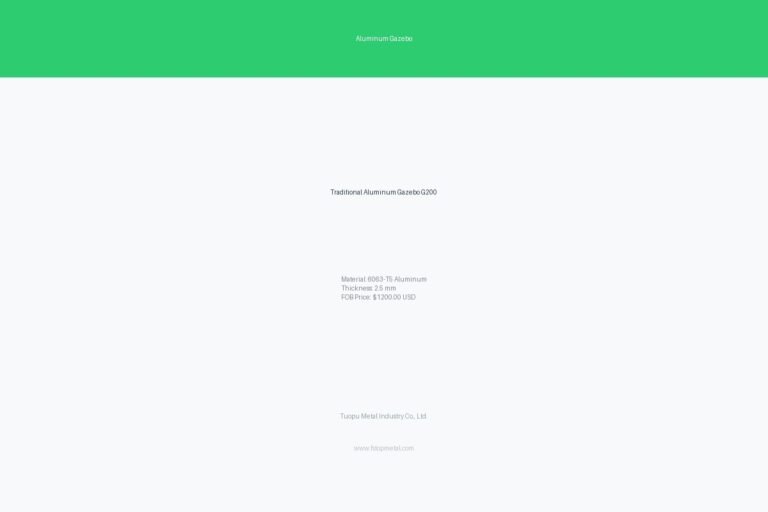
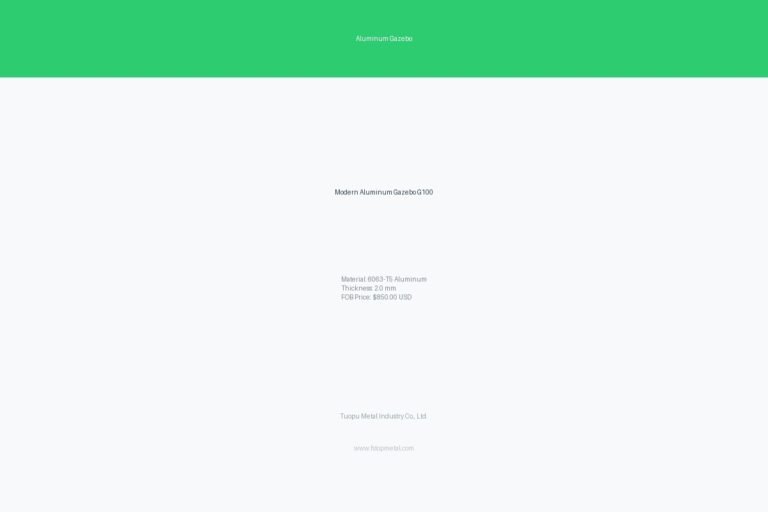
A seasonal approach ensures that each component is evaluated under realistic operating conditions. The following schedule applies to all FstopMetal pergola series, including the G100 Modern cantilever design, the G200 Traditional heritage-style frame, and the G300 Electric series with auto-louver rain-sensing control.
Spring Inspection (Pre-Season Activation)
- Inspect all visible fasteners and torque connections for looseness; retighten as needed.
- Check louver blades on G300 Electric units for smooth rotation and proper sealing when closed.
- Clean drainage channels and verify water exits freely without pooling.
- Examine powder-coated and PVDF surfaces for chips, scratches, or fading; document any areas requiring touch-up.
- Test integrated LED lighting circuits and replace any degraded fixtures before the high-use season begins.
- Inspect solar panel mounting interfaces for secure attachment points and cable routing integrity.
Summer Inspection (Peak Usage Period)
- Perform monthly visual checks on motorized louvers during active operation cycles.
- Clean louver surfaces and frame members to remove pollen, dust, and insect residue that can accumulate in joints.
- Verify that rain-sensing actuators on G300 units respond correctly to simulated or actual precipitation.
- Check that cantilever supports on G100 Modern installations show no signs of deflection or stress discoloration.
- Inspect sealant joints around lighting channels and solar interfaces for cracking or separation.
Autumn Inspection (Pre-Winter Preparation)
- Remove leaves, debris, and organic matter from all horizontal surfaces and drainage paths.
- Apply a non-abrasive, pH-neutral cleaner to the full surface area to remove seasonal deposits.
- Lubricate any accessible moving pivots and hinge points according to the manufacturer’s guidance.
- Check that G200 Traditional series decorative elements and ornamental joints remain secure and undamaged.
- Inspect the underlying structure for any signs of water intrusion at connection points.
Winter Inspection (Post-Season Assessment)
- After any heavy snow or ice event, gently remove accumulation from louver surfaces and frame members.
- Check for ice dam formation in drainage channels that could stress the aluminum profile.
- Inspect the finish for any damage caused by de-icing salts or mechanical snow removal tools.
- Document any issues for resolution during the next spring maintenance cycle.
Maintenance by Pergola Series
Different FstopMetal pergola series have distinct design features that require targeted attention during routine maintenance.
| Series | Key Feature | Special Maintenance Focus |
|---|---|---|
| G100 Modern | Cantilever engineering, biophilic design | Inspect cantilever support joints and tension points for fatigue or loosening; check that biophilic integration elements (planter mounts, shading guides) remain secure. |
| G200 Traditional | Heritage aesthetics, classic design | Pay attention to ornamental joints and decorative finials; ensure traditional-style connections are tight and that finish integrity is maintained on detailed profile sections. |
| G300 Electric | Smart rain sensing, auto louver control | Monthly inspection of louver motor operation; verify rain sensor calibration; check electrical conduit and wiring channels for moisture ingress; lubricate louver pivot points per specification. |
Surface Cleaning and Finish Care
Proper cleaning preserves the appearance of powder-coated, anodized, PVDF, and wood grain finished aluminum pergolas. The following guidelines apply across all FstopMetal surface treatments.
Recommended Cleaning Procedure
- Use lukewarm water with a pH-neutral, non-abrasive detergent.
- Apply with a soft cloth, sponge, or low-pressure spray; avoid high-pressure washers above 1,200 psi, which can damage finish adhesion.
- Rinse thoroughly with clean water to remove all detergent residue.
- Wipe dry with a soft microfiber cloth to prevent water spotting, especially in areas with hard water.
What to Avoid
- Acidic or alkaline cleaners, solvent-based products, and abrasive pads can degrade powder coat, anodized layers, and PVDF finishes.
- Steel wool or wire brushes will scratch the surface and compromise corrosion protection.
- Harsh de-icing chemicals near the structure can accelerate finish breakdown in cold climates.
When to Engage a Professional
While most aluminum pergola maintenance can be performed by facility managers or building owners, certain situations require professional assessment. Structural modifications, electrical work on integrated LED or motorized systems, and repair of finish damage on large-scale installations should be handled by qualified personnel. FstopMetal provides technical support and installation guidance for international projects, and owners should contact the manufacturer or an authorized service provider when issues extend beyond routine inspection and cleaning.
Frequently Asked Questions
How often should I inspect my aluminum pergola?
A seasonal inspection cycle is recommended: spring activation checks, summer monthly checks during active use, autumn pre-winter preparation, and winter post-event assessment. Motorized pergolas such as the G300 Electric series benefit from monthly louver and sensor checks during the operating season.
Does an aluminum pergola need painting or refinishing?
Aluminum pergolas with powder-coated, anodized, PVDF, or wood grain finishes do not require repainting. If finish damage occurs from impact or abrasion, localized touch-up may be performed using manufacturer-recommended products. Full refinishing is uncommon and typically only necessary after severe structural damage.
Can I leave my motorized pergola unattended during storms?
The G300 Electric series includes rain-sensing technology that automatically closes louvers when precipitation is detected. However, during severe weather events such as hurricanes or tornadoes, it is advisable to manually secure the structure and disconnect power if recommended by local safety guidelines.
What cleaning products are safe for aluminum pergola finishes?
Use only pH-neutral, non-abrasive cleaners with soft cloths or sponges. Avoid acidic cleaners, solvent-based products, steel wool, and high-pressure washers above 1,200 psi, as these can damage the finish and reduce corrosion protection.
Who should perform maintenance on a pergola with integrated solar and LED systems?
Basic visual inspections and surface cleaning can be performed by building owners. Electrical inspections, solar panel interface checks, and motorized louver servicing should be conducted by qualified technicians. FstopMetal provides technical support for international projects and can guide owners to authorized service providers.