


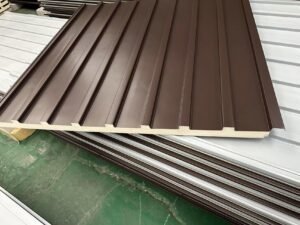
Factory-direct aluminum column cover orders follow a structured procurement path from specification through shipment. Buyers should verify supplier certifications, request third-party test reports, confirm CNC and fabrication capabilities, review sample and shop-drawing workflows, and validate export packing and after-sales documentation before placing an order.
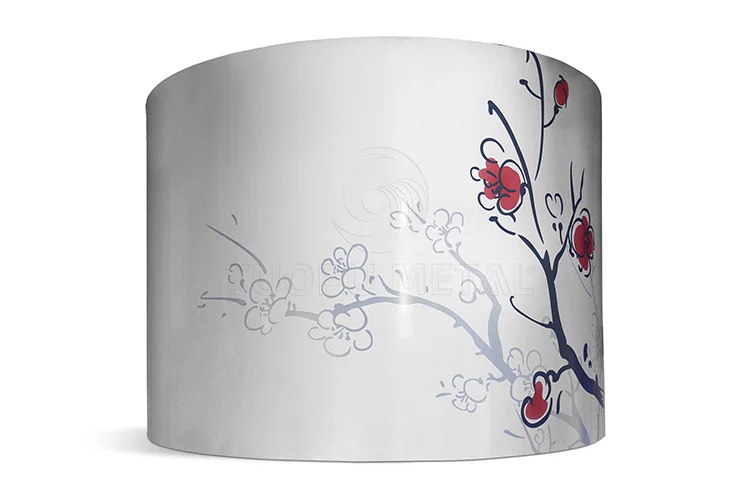
What to Verify Before Placing a Factory-Direct Order
Factory-direct procurement for custom aluminum column covers requires buyers to establish clear verification checkpoints before committing to production. Unlike purchasing from a distributor, a direct mill order places specification responsibility squarely on the buyer, making pre-order due diligence critical. The following checklist covers the key verification areas that procurement managers and contractors should address.
Certifications to Request
Any credible factory-direct supplier should provide documentation for the following certifications. Buyers should ask to see current certificates, not just claims on a product page.
- ISO 9001 — Quality management system certification. Request a copy of the certificate and verify the scope covers the relevant product categories.
- CE — European market conformity marking. Ask which product standards the CE declaration references and whether the notified body is listed.
- SGS — Independent quality verification. Request the specific test report or inspection certificate for the product line you are ordering.
For projects in North America, also confirm whether the supplier can provide ASTM-compliant test reports. Fire rating requirements vary by jurisdiction, and any fire performance claims must be verified by a third-party report rather than accepted as a marketing statement. Do not rely on verbal assertions about combustion ratings.
Third-Party Test Reports
A responsible supplier should maintain third-party test reports for mechanical properties, coating adhesion, salt-spray resistance, and wind-load performance where applicable. Buyers should request these reports by product series before signing a purchase agreement. If a supplier cannot produce a test report for a specific performance claim, treat that claim as unverified.
| Verification Item | What to Ask For | Red Flag |
|---|---|---|
| Material grade | Mill test certificate for 6063-T5/T6 aluminum alloy | Supplier refuses or cannot produce a certificate |
| Surface coating | Salt-spray and adhesion test report for the specified finish | No test data available for powder coat or PVDF finish |
| Structural performance | Wind-load or deflection test report for the column cover section | Claims structural capacity without supporting test data |
| Fire compliance | Third-party fire performance report matching project jurisdiction requirements | Asserts a fire rating class without a report |
Sample Policy and Shop Drawing Workflow
The sample and shop-drawing phase is where most specification gaps surface. A structured workflow protects both the buyer and the fabricator from costly rework.
Sample Requests
Before committing to full production, buyers should request physical samples of the aluminum column cover in the specified finish and profile. Key sample evaluation points include:
- Finish color match against the project specification or RAL reference
- Surface texture and coating uniformity
- Joint and seam quality at corners and connections
- Dimensional accuracy against the approved shop drawing
Typically, suppliers provide a limited number of evaluation samples before bulk production begins. The sample policy — including whether samples are charged and whether sample costs are credited against the production order — should be confirmed in writing before the sample request is placed.
Shop Drawing Approval
Custom aluminum column covers require detailed shop drawings before fabrication begins. The shop-drawing workflow should include the following steps:
- Design submission: Buyer provides architectural drawings, column dimensions, and finish specifications.
- Fabrication drawings: Supplier produces shop drawings showing profiles, joint details, mounting provisions, and tolerances.
- Review cycle: Buyer and engineer review and return comments. Multiple revision rounds are typical for complex projects.
- Final approval: Signed-off shop drawings become the fabrication baseline. Any changes after approval should be documented as a variation.
Buyers should ensure the contract specifies the number of revision rounds included and the turnaround time for each review cycle. Delays in shop-drawing approval directly impact production scheduling.
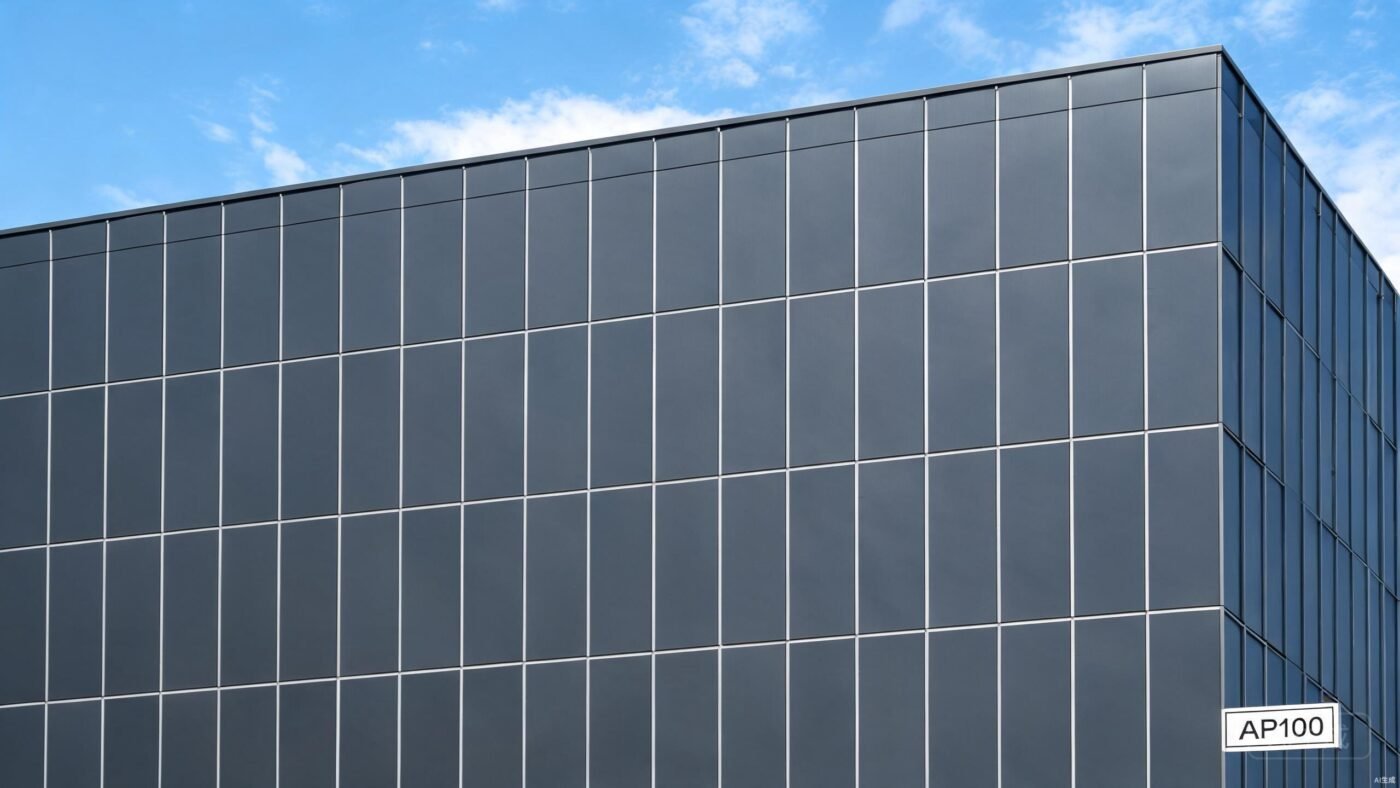
CNC and Fabrication Capability Assessment
Custom aluminum column covers are typically fabricated using CNC-controlled cutting, punching, and forming equipment. Buyers evaluating a factory-direct supplier should assess the following capability indicators:
- CNC cutting precision: Confirm the supplier uses CNC saws or waterjet cutting for profile fabrication, which ensures consistent dimensional tolerances across large orders.
- Perforation and pattern capability: For column covers with decorative perforations or parametric patterns, verify that the supplier operates CNC punching or laser-cutting equipment capable of the required hole patterns and tolerances.
- Forming and bending: Curved or radius column covers require CNC press-brake or roll-forming capability. Ask for examples of previous curved-fabrication projects.
- Welding and finishing: If the column cover design requires welded joints, confirm the supplier has certified welders and post-weld treatment processes for surface preparation before coating.
Aluminum column covers are commonly fabricated from 6063-T5 or 6063-T6 alloy, which provides a balance of formability and structural strength. Buyers should confirm the alloy and temper specified on the shop drawing matches the project structural requirements.
Export Packing and Container Loading
Factory-direct orders for North American and European projects typically ship in standard container loads. Proper export packing is essential to prevent coating damage and dimensional distortion during transit.
- Protective wrapping: Each column cover panel should be wrapped in protective film or foam to prevent surface scratching during handling and transit.
- Corner and edge protection: Exposed edges and corners require rigid protection, especially for perforated or curved profiles.
- Container loading plan: The supplier should provide a container loading plan showing how panels are stacked, braced, and secured within the container to prevent movement.
- Packing list and documentation: Each shipment should include a detailed packing list, commercial invoice, certificate of origin, and any required compliance documentation for the destination country.
| Packing Element | Buyer Verification |
|---|---|
| Protective film integrity | Confirm film is applied before coating cures and is removed-only-after installation |
| Container securing method | Request photos of previous container loads for similar products |
| Documentation completeness | Verify packing list, invoice, and certificates are included in the shipping documents |
| Moisture protection | Confirm desiccant packs or moisture barriers are used for sea-freight shipments |
After-Sales Documentation and Support
Factory-direct procurement extends beyond the shipment delivery date. Buyers should confirm the after-sales documentation package before order confirmation.
- Installation guide: The supplier should provide installation instructions specific to the column cover profile, including fastener specifications, joint detailing, and sealant recommendations.
- Maintenance guidelines: Request written maintenance instructions for the specified surface finish, including cleaning agents to avoid and recommended inspection intervals.
- Warranty documentation: Warranty terms should be stated in the purchase contract, specifying coverage scope, exclusions, and the claim process. Warranty terms vary by product series and surface treatment and should be confirmed in writing.
- Technical support availability: Confirm whether the supplier provides on-site or remote technical support during installation, and whether replacement parts can be ordered for field corrections.
Frequently Asked Questions
What certifications should I ask a factory-direct aluminum column cover supplier to provide?
Request current certificates for ISO 9001, CE, and SGS. Ask for the certificate copies and verify the scope covers the product you are ordering. For North American projects, also ask whether the supplier can provide ASTM-compliant test reports. Fire performance claims must be supported by a third-party test report — do not accept verbal assertions.
How do I evaluate whether a supplier can handle my custom column cover design?
Ask the supplier to review your shop drawings and confirm their CNC cutting, punching, and forming capabilities match your design requirements. Request examples of previous projects with similar profiles, perforation patterns, or curved geometries. Verify that the supplier fabricates from 6063-T5 or 6063-T6 alloy and can provide mill test certificates for the material.
What should be included in the export packing for an aluminum column cover shipment?
Each panel should be protected with film or foam wrapping, with rigid corner and edge protection. The supplier should provide a container loading plan and confirm the use of desiccant packs for sea-freight shipments. Request photos of previous container loads for the same product type. The shipping documents should include a packing list, commercial invoice, certificate of origin, and any compliance certificates required by the destination country.
What after-sales documentation should a factory-direct supplier provide?
The supplier should provide an installation guide specific to your column cover profile, maintenance guidelines for the specified finish, and warranty terms stated in the purchase contract. Confirm whether technical support is available during installation and whether replacement parts can be ordered. Warranty coverage varies by product series and surface treatment, so these terms should be confirmed in writing before production begins.
How should I handle specification changes after the shop drawing is approved?
Any changes after shop-drawing approval should be documented as a formal variation. Confirm with the supplier how variation requests are processed, whether they affect production scheduling, and how cost adjustments are calculated. The number of revision rounds included in the original order and the process for additional revisions should be specified in the purchase contract before signing.
For project-specific questions about aluminum column cover fabrication, factory-direct ordering, or certification verification, contact TOP METAL & TUORUNDA. Reach Jimmy via WhatsApp at +86-139-2919-8578 or email sales2@trdoutdoor.com.
Talk to Our Team
Planning a project or comparing suppliers? Send us your drawings, panel schedule or quantity list and we will come back with a specification proposal and a budget range for your review.
- Company: TOP METAL & TUORUNDA
- Contact: Jimmy
- WhatsApp: +86-139-2919-8578
- Email: sales2@trdoutdoor.com