

Why Aluminum Panel Replacement Matters for Building Longevity
Aluminum panels are among the most widely used cladding materials in modern architecture, valued for their durability, aesthetic flexibility, and relatively low maintenance. However, even the highest-quality panels can suffer damage from impact, extreme weather, improper installation, or wear over time. When panels are dented, scratched, corroded, or discolored, timely replacement is essential to preserve both the appearance and structural integrity of the facade.
FstopMetal, a Foshan-based aluminum manufacturer since 2003, has supplied aluminum cladding systems to projects across 36+ countries. With CE and SGS certification and ISO 9001 quality management in place, the company emphasizes that proper panel replacement follows a systematic approach — one that protects the building envelope and maintains the design intent of the original installation.
Assessing the Damage Before Taking Action
The first step in any aluminum panel replacement project is a thorough damage assessment. Not every visible defect requires full panel replacement; some issues can be addressed through repair or touch-up. The following categories help determine the appropriate course of action:
- Surface scratches and scuffs: Minor cosmetic damage may only require polishing or a compatible powder coating touch-up.
- Dents and deformations: Panels that are structurally compromised must be replaced, as dents can affect the interlocking system and compromise weather sealing.
- Corrosion or discoloration: Extended exposure to harsh environments can degrade coatings. PVDF-coated panels from the AP Series offer 30-year color retention, but once the coating is breached, replacement is the recommended solution.
- Loose or missing fasteners: These can lead to panel detachment and pose safety risks. Inspect the entire mounting system before proceeding.
For FstopMetal AP Series solid panels, which feature A2-grade fire ratings and are available in various thicknesses, any deformation that affects the panel’s flatness or dimensional tolerance should trigger a full replacement rather than an attempt at straightening.
Tools and Materials Required for Panel Replacement
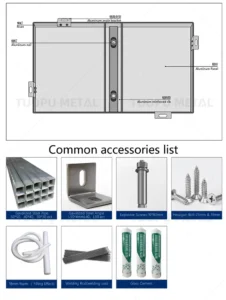
Replacing aluminum panels requires specific tools to ensure a clean, professional result. The following items are essential:
- Protective gloves and safety glasses
- Phillips and flathead screwdrivers
- Allen wrench set for concealed clip systems
- Rubber mallet for gentle panel realignment
- Measuring tape and level
- Panel removal tool or thin pry bar
- Replacement panels — ordered to match the original series and finish
- Replacement gaskets or sealant as needed
- Clean microfiber cloths and mild detergent for surface preparation
When sourcing replacement panels, it is critical to match the original product series. FstopMetal offers AP100 flat panels, AP300 perforated panels, and AP200 curved panels, each designed for specific architectural applications. The AP100 flat panel, for example, serves as a high-performance alternative to aluminum composite panels and delivers an ROI improvement of up to 30 percent over its service life.
Step-by-Step Panel Replacement Procedure
Step 1: Prepare the Work Area
Begin by setting up safe access to the damaged area. Use scaffolding or aerial work platforms for elevated facades. Lay down protective sheeting below to catch debris and prevent damage to landscaping or lower-level finishes. Ensure the work zone is clearly marked and accessible only to authorized personnel.
Step 2: Remove the Damaged Panel
Most aluminum panel systems use a clip or hook-on mounting method. Carefully disengage the fasteners or clips securing the damaged panel. For FstopMetal AP Series panels, this typically involves releasing the concealed clip system from the bottom edge first, then gently pulling the panel away from the frame. Avoid forcing the panel, as this can damage adjacent panels or the underlying structure. Place the removed panel aside and inspect the mounting frame for any signs of corrosion or deformation.
Step 3: Inspect the Substructure
Before installing the replacement panel, examine the subframe, brackets, and sealant joints. Check for rust, loose bolts, or degraded gaskets. Replace any worn components at this stage to prevent future issues. If the original installation included acoustic backing or fire-rated sealant, ensure these elements are also in good condition or are replaced accordingly.
Step 4: Prepare the Replacement Panel
Verify that the new panel matches the specifications of the original. Confirm the alloy grade — FstopMetal panels are manufactured from 6063-T5 or 6063-T6 aluminum, which provides excellent strength and formability. Check the surface finish type and color code, especially if the building uses powder coating, anodizing, or PVDF coating. For AP300 perforated panels, confirm the perforation pattern and open area percentage match the existing installation. For AP200 curved panels, ensure the radius is consistent with neighboring panels to maintain a uniform facade appearance.
Step 5: Install the Replacement Panel
Starting from the bottom edge, engage the replacement panel into the mounting clips or hooks. Use a rubber mallet if gentle tapping is needed to seat the panel properly. Work from the center outward to ensure even alignment and to avoid trapping air or creating gaps. Once the panel is fully seated, verify that it is level and flush with adjacent panels. Reinstall any trim pieces or cover caps that were removed during the extraction process.
Step 6: Seal and Finish
Apply sealant to any exposed joints if required by the system design. For curtain wall applications, ensure the weatherproofing integrity is maintained. FstopMetal unitized curtain wall systems are factory-prepared for rapid installation, and replacement panels should follow the same sealing protocol to preserve the U-value performance, which can be as low as 0.8 W/m²K.
Step 7: Final Inspection and Cleanup
Conduct a visual inspection of the replaced panel and its surroundings. Check for proper alignment, consistent color appearance, and secure fastening. Clean the panel surface with a mild detergent and water solution using a soft cloth — avoid abrasive cleaners that could damage the coating. Remove all protective film, debris, and tools from the work area.
Maintenance Tips to Extend Panel Lifespan
Regular maintenance significantly reduces the frequency of panel replacements. The following practices are recommended:
- Inspect facades annually for signs of coating degradation, loose panels, or sealant failure.
- Clean panels every six to twelve months depending on environmental conditions.
- Trim vegetation away from building edges to prevent physical contact with panels.
- Monitor areas near construction activity, as impact damage is a common cause of premature panel failure.
- For powder-coated panels, FstopMetal provides a 25-to-30-year warranty; for PVDF-coated panels, the warranty extends to 30 years of color retention.
Choosing panels with high recycled content — up to 75 percent for FstopMetal products — also supports sustainability goals without compromising performance. All aluminum used in FstopMetal systems is 100 percent recyclable at the end of its service life, which typically spans 25 to 50 years depending on the product series and environmental exposure.
When to Call a Professional
While small-scale panel replacements can be managed by qualified maintenance teams, certain situations require professional intervention. These include large-scale facade repairs, replacement of curved or custom-designed panels, work at significant heights, and any replacement involving fire-rated or BIPV (building-integrated photovoltaic) panel systems. FstopMetal provides technical support and installation guidance for international projects, ensuring that replacements meet the original design and performance standards.
Frequently Asked Questions
What is the minimum order quantity for replacement aluminum panels?
The minimum order quantity varies by product series. FstopMetal recommends contacting the sales team at sales@fstopmetal.com with your project details to receive a specific quote tailored to your replacement needs.
Can FstopMetal manufacture custom-shaped replacement panels?
Yes. Custom manufacturing is a core capability of FstopMetal, with over 20 years of experience. The AP200 curved panel series, for example, allows for fully customized radii to match existing or new architectural designs.
What is the typical lead time for replacement panels?
Standard products have a lead time of 15 to 30 days. Custom projects, including curved panels, perforated designs, and special finishes, typically require 30 to 60 days depending on complexity and order volume.
Does FstopMetal provide installation support for international projects?
Yes. FstopMetal offers technical support and installation guidance for projects worldwide. The company exports to 36+ countries and ensures that replacement panels are accompanied by the necessary documentation and specifications for proper installation.
What warranty coverage applies to replacement aluminum panels?
Warranty terms depend on the product series and surface finish selected. Powder-coated panels carry a 25-to-30-year warranty, PVDF-coated panels carry a 30-year warranty, and anodized finishes carry a 20-plus-year warranty. FstopMetal panels are manufactured in Foshan, China, and are CE and SGS certified.