# Aluminum Louver Fence Maintenance Guide: 5-Year Care Plan
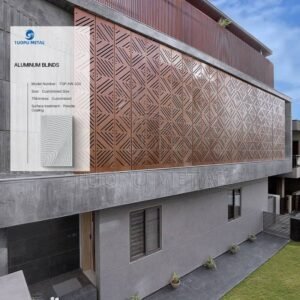
In the modern architectural landscape, aluminum louver fences have emerged as the premier solution for balancing privacy, ventilation, and aesthetic sophistication. However, even the most robust engineered aluminum systems require periodic attention to maintain their structural integrity and visual appeal. Did you know that studies indicate that 70% of perceived “wear and tear” in metal façade elements is actually attributable to surface oxidation and accumulated particulate matter, not material failure? For international developers and contractors, understanding the precise maintenance rhythm of these systems is not just about cleanliness; it is about asset protection and longevity. This guide outlines a comprehensive five-year care plan specifically designed for large-scale installations, ensuring that your aluminum louver fences, along with complementary systems like pergolas and cladding, remain a testament to quality engineering for decades.
## The Foundation: Why Aluminum Requires a Specific Care Protocol
Unlike wood or carbon steel, aluminum forms a protective oxide layer naturally. However, this layer can be compromised or obscured by environmental contaminants. For B2B buyers, the goal is not to prevent this natural process but to manage it proactively. A structured maintenance schedule reduces lifecycle costs and prevents localized corrosion that can spread to adjacent materials, such as glass in curtain wall systems or wood components in hybrid designs.
### Year 1: Initial Inspection and Baseline Cleaning
The first year is critical for establishing a baseline. Within six months of installation, a thorough inspection should be conducted to identify any minor defects in anodizing or painting processes.
* **Visual Inspection:** Check louver blades for uniform color and finish. Look for any “tea staining” (brown streaks) often caused by iron contamination in water sources.
* **Drainage Check:** Ensure that water channels at the base of the fence are clear of debris. Stagnant water is the primary enemy of aluminum longevity.
* **Cleaning Protocol:** Perform the first wash using a neutral pH detergent (pH 6.5–7.5) and soft water. Avoid high-pressure washers that may strip surface coatings. This initial cleaning sets the standard for future intervals.
### Years 2–3: Routine Upkeep and Sealant Review
During the second and third years, the focus shifts to routine hygiene and joint integrity. This is the period where environmental factors begin to take a cumulative toll.
* **Quarterly Cleaning:** Implement a quarterly cleaning schedule. Use a soft cloth or sponge with warm water and a mild non-abrasive cleaner. For exterior facades exposed to high humidity or coastal salt spray, increase this to monthly.
* **Sealant Integrity:** Inspect the silicone sealants used at the connections between louver assemblies and the structural frame. Look for cracks or detachment. Re-sealing minor gaps early prevents moisture intrusion into the cavity, which can corrode hidden fasteners.
* **Hardware Check:** Tighten any loose screws or bolts. Thermal expansion and contraction can slightly shift components over time. Ensure that the pivoting mechanisms remain smooth, lubricating moving parts with a dry PTFE-based lubricant rather than oil, which attracts dust.
### Years 4–5: Deep Restoration and Performance Audit
By the fourth and fifth years, the asset has matured. This phase requires a more rigorous audit to prepare for long-term service.
* **Annual Professional Audit:** Engage a specialized façade maintenance contractor to perform a detailed inspection. Use a magnifying glass to check for micro-pitting on the anodized surface.
* **Finish Refinement:** If the original finish shows significant fading or staining that standard cleaning cannot remove, consider a gentle abrasive polishing using aluminum-specific compounds. For painted systems, check for chipping and perform spot repairs with matching powder-coat patches.
* **Structural Verification:** Verify the alignment of the louver tracks. Misalignment can affect airflow dynamics and the visual linearity of the design. This is particularly important if the fence is part of a larger envelope, such as aluminum cladding panels or curtain wall systems, where continuity of the rainscreen is essential.
## Integrating with Complementary Systems
Aluminum louver fences rarely exist in isolation. In mixed-material projects, they often interact with other engineered elements.
* **Aluminum Pergolas:** When fences support or adjoin pergolas, check the junction points for stress cracking. The combined weight of snow or wind loads on the pergola can transfer stress to the fence supports.
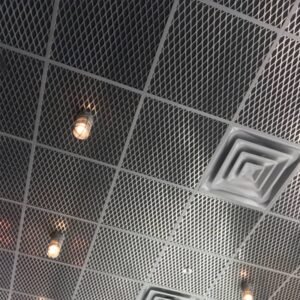
* **Aluminum Ceiling Systems:** In indoor or semi-enclosed spaces where louver systems extend indoors, monitor for dust accumulation that affects light transmission.
* **Curtain Wall Interfaces:** Ensure that the weep holes at the base of louver assemblies do not block the drainage channels of adjacent curtain wall systems. Proper detailing at these interfaces is crucial to maintaining the building envelope’s water-tightness.
## Key Takeaways: The 5-Year Maintenance Checklist
* **Year 1:** Baseline inspection, drainage check, and initial neutral pH cleaning.
* **Year 2–3:** Quarterly cleaning, sealant review, and dry lubrication of moving parts.
* **Year 4–5:** Professional façade audit, finish refinement, and structural alignment verification.
* **Golden Rule:** Always use non-abrasive, pH-neutral cleaning agents. Avoid acidic or alkaline cleaners that can etch the anodized surface.
* **Integration:** Regularly inspect interfaces with **aluminum cladding panels**, **pergolas**, and **curtain wall systems** to ensure envelope integrity.
## Frequently Asked Questions
**Q: Can I use a pressure washer on aluminum louver fences?**
A: No. High-pressure water can force contaminants into the joints and louver cavities, leading to hidden corrosion. Use low-pressure washing (below 500 psi) with a wide nozzle, keeping a safe distance from the surface.
**Q: How does coastal weather affect maintenance frequency?**
A: Salt spray accelerates surface oxidation. In coastal regions, increase cleaning frequency to monthly and ensure that rinse water is desalted or that the area is flushed with fresh water after storms to remove chloride residue.
**Q: What is the difference in care between anodized and powder-coated aluminum?**
A: Anodized finishes are more durable and harder, requiring less frequent deep cleaning. Powder-coated finishes offer superior color retention but may require more frequent spot repairs for chips. Always follow the manufacturer’s specific finish care instructions.
**Q: How does this maintenance plan apply to hybrid projects with wood elements?**
A: Where **aluminum louver fences** meet timber, ensure that the aluminum side is kept dry to prevent moisture migration. The wood side will require its own sealing and staining schedule, which may differ from the metal components.
## Ready to Optimize Your Project’s Longevity?
Proper maintenance is not an afterthought; it is a design parameter. When selecting your **aluminum louver fences**, choose systems that are easily accessible for routine care. Our engineering team can advise on the optimal louver spacing and drainage detailing to minimize maintenance needs over the asset’s lifecycle.
Contact our specialists today for a consultation on integrating high-performance aluminum façade solutions into your next project. Ensure your installation remains flawless from day one to year fifty.