


Direct Answer
Aluminum column covers for train stations are custom-fabricated architectural cladding systems that wrap structural columns using 6063-T5 or 6063-T6 aluminum alloy panels. They combine high durability, low maintenance, and design flexibility for high-traffic transit environments. Specifications should address material grade, surface finish, acoustic performance, fire compliance per local code, and perforation options for ventilation. FstopMetal, operating since 2003 and based in Foshan, China, supplies these systems to projects across 36+ countries with CE, SGS, and ISO 9001 certification.
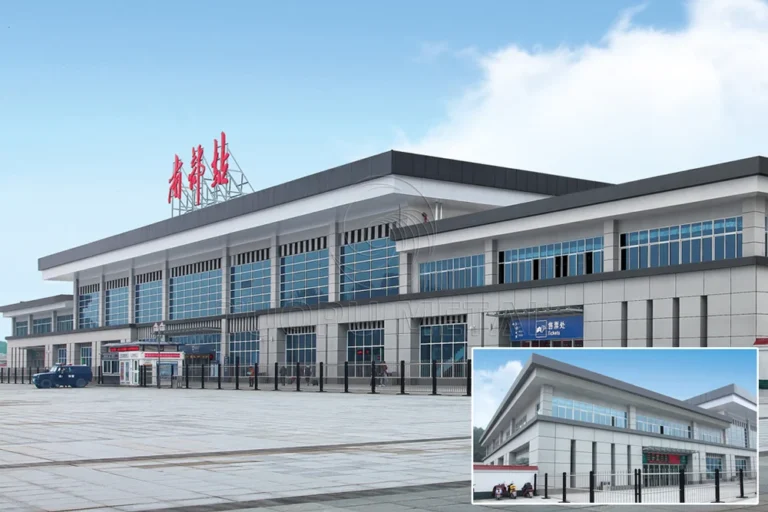
Why Aluminum Column Covers Are the Standard for Train Station Interiors
Train stations present some of the most demanding interior environments in the built environment. Columns endure constant passenger contact, cleaning chemical exposure, vibration from passing trains, and high visibility that makes surface degradation immediately apparent. Aluminum column covers address these conditions through a combination of material performance and engineered design.
Aluminum alloy 6063 is the standard architectural grade for this application. It offers excellent formability for wrapping irregular column geometries while maintaining structural rigidity. The T5 and T6 heat treatment conditions provide the strength necessary to resist impact and deformation in high-traffic zones. For stations requiring enhanced acoustic comfort, perforated column covers can be combined with sound-absorbing backing materials, achieving NRC ratings up to 0.85+ when configured with appropriate infill.
The surface finish selected for a station column cover directly influences its long-term appearance and maintenance burden. Powder coating, anodizing, and PVDF fluoropolymer finishes each offer distinct performance characteristics that should be matched to the station’s maintenance schedule and aesthetic program.
Performance Drivers for Transit Applications
- Corrosion resistance in environments with frequent wet cleaning and de-icing chemical exposure
- Impact resistance to withstand incidental contact from luggage, bicycles, and equipment
- Acoustic contribution to reducing reverberation in large concourse spaces
- Design continuity across multiple columns for a unified architectural expression
- Fire compliance verified through third-party testing to meet jurisdictional requirements
Key Technical Specifications to Consider
Specifying aluminum column covers for a train station requires attention to several technical parameters. The following table compares the primary surface treatment options available and their typical performance characteristics.
| Surface Treatment | Typical Thickness | Best Suited For | Maintenance Profile |
|---|---|---|---|
| Powder Coating | 60–80 microns | General interior columns, wide color range | Low; periodic cleaning sufficient |
| Anodizing | 15–25 microns | Modern aesthetic, metallic finish | Low; natural oxide layer provides protection |
| PVDF (Kynar 500) | 25–30 microns | High-visibility stations, color retention critical | Very low; superior UV and chemical resistance |
| Wood Grain Transfer | Standard | Designs requiring warm, natural aesthetics | Low; same as powder coating substrate |
Material and Alloy Selection
The AP series of aluminum panels is commonly specified for column cladding applications. The AP100 flat panel provides a clean, seamless appearance for standard rectangular or square columns. The AP300 perforated variant introduces decorative patterning while maintaining ventilation, and the AP200 curved panel accommodates columns with custom radii or circular profiles. All series are available in 6063-T5 and 6063-T6 tempers, with the T6 condition offering higher yield strength for columns in areas of maximum pedestrian impact.
Fire Compliance and Code Considerations
Fire rating requirements for interior column cladding vary significantly by jurisdiction. In train stations, local building codes typically reference standards such as ASTM E84 or EN 13501-1 for surface burning characteristics. The fire performance of aluminum column cover systems must be verified by a third-party report specific to the installed assembly, including any backing materials, adhesives, and cavity configurations. Specifiers should request the relevant test documentation from the manufacturer before finalizing specifications, as compliance pathways differ between North American and European markets.
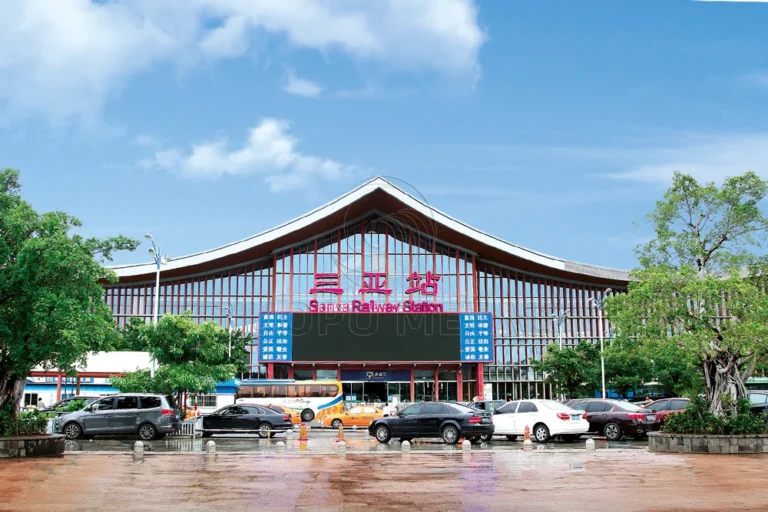
Design Options for High-Traffic Transit Environments
Train station column covers offer considerable design flexibility. The AP series provides several configurations suited to different station typologies and design intents.
| Panel Series | Configuration | Station Application |
|---|---|---|
| AP100 Flat Panel | Solid, non-perforated | Platform columns, areas requiring maximum durability |
| AP300 Perforated | Decorative perforation patterns | Concourse columns, spaces requiring ventilation and acoustic treatment |
| AP200 Curved | Custom radius fabrication | Circular or tapered columns, landmark station entries |
Acoustic Integration
In large station concourses with high ceilings and hard surfaces, sound reflection can create unacceptable noise levels. Perforated column covers paired with mineral wool or foam backing behind the panel cavity can contribute meaningfully to overall space acoustic performance. The NRC rating of the complete assembly depends on perforation rate, backing material density, and cavity depth. Specifiers should request acoustic test data for the specific configuration being specified.
Custom Fabrication Capabilities
Custom manufacturing is a core capability for aluminum column cover systems. Complex geometries, branded color matching, integrated wayfinding elements, and hybrid panel combinations are all achievable. The fabrication process allows column covers to be produced as individual wrapped panels or as unitized systems that simplify on-site installation—a significant advantage when station renovation must be completed within limited possession windows.
Sustainability and Lifecycle Value
Aluminum column covers offer sustainability advantages that are increasingly relevant to transit authority procurement criteria. Aluminum is 100% recyclable without loss of material properties, and FstopMetal’s aluminum products incorporate up to 75% recycled aluminum content. Environmentally Product Declarations (EPDs) are available for select product lines, supporting green building certification programs.
Lifecycle Cost Considerations
The total cost of ownership for aluminum column covers should be evaluated against alternative materials over the full service life of the installation. Key cost drivers include initial material and fabrication costs, installation labor, ongoing maintenance requirements, and eventual replacement or refurbishment. Powder-coated and PVDF-finished aluminum columns typically require only routine cleaning throughout their service life, whereas alternative materials may need repainting, refinishing, or partial replacement at intervals that increase lifecycle cost. The specific cost trajectory depends on finish selection, traffic intensity, and local maintenance practices.
Thermal Performance
While column covers are primarily an interior architectural element, the aluminum substrate and optional cavity insulation can contribute to the thermal envelope where columns penetrate building assemblies. Some curtain wall systems from the same manufacturer achieve U-values as low as 0.8 W/m²K, and similar thermal considerations apply when column covers interface with exterior building envelopes.
Procurement and Specification Process
Specifying aluminum column covers for a train station project involves several steps that ensure the final product meets performance, aesthetic, and compliance requirements.
- Define performance requirements: Establish fire compliance standards, acoustic targets, impact resistance needs, and maintenance expectations for the specific station environment.
- Select material and finish: Choose alloy temper, panel series, and surface treatment based on the performance requirements and design intent.
- Request technical documentation: Obtain third-party test reports for fire performance, acoustic ratings, and finish durability before finalizing specifications.
- Engage the manufacturer early: Early consultation allows the fabrication team to advise on panel configuration, joint details, and installation methodology optimized for the station’s possession schedule.
For project-specific technical consultation, contact Jimmy at TOP METAL & TUORUNDA via WhatsApp at +86-139-2919-8578 or email sales2@trdoutdoor.com.
Frequently Asked Questions
What aluminum alloy is used for train station column covers?
Aluminum column covers for transit applications are typically fabricated from 6063-series aluminum alloy in T5 or T6 temper conditions. The 6063-T6 variant provides higher strength for high-impact environments, while 6063-T5 offers excellent formability for complex column geometries. Both tempers are standard architectural grades suitable for interior cladding.
How do I specify fire compliance for aluminum column covers in a station?
Fire rating requirements vary by jurisdiction and the specific station classification. You should request third-party test reports from the manufacturer covering the relevant standard—such as ASTM E84 in North America or EN 13501-1 in Europe. The test report must cover the complete assembled system, including any backing materials and cavity configurations, not just the bare panel.
Can aluminum column covers improve station acoustics?
Yes. Perforated aluminum column covers, when combined with sound-absorbing backing materials such as mineral wool or foam, can contribute to reducing reverberation in large station concourses. Acoustic performance is measured by the Noise Reduction Coefficient (NRC), with configured assemblies achieving ratings up to 0.85+. The actual performance depends on perforation rate, backing material, and cavity depth.
What surface finishes are available for station column covers?
The primary finish options are powder coating (60–80 microns), anodizing (15–25 microns), PVDF fluoropolymer (25–30 microns), and wood grain transfer. Powder coating offers the widest color range, anodizing provides a metallic architectural finish, PVDF delivers the highest durability and color retention, and wood grain transfer offers a natural aesthetic. Finish selection should be guided by the station’s maintenance schedule and design program.
Does FstopMetal provide EPD documentation for aluminum column covers?
Yes, EPD (Environmental Product Declaration) certification is available for select aluminum cladding product lines. This supports sustainability reporting and green building certification requirements. The recycled aluminum content in these products can reach up to 75%, and all aluminum material is 100% recyclable at end of life.
Talk to Our Team
Planning a project or comparing suppliers? Send us your drawings, panel schedule or quantity list and we will come back with a specification proposal and a budget range for your review.
- Company: TOP METAL & TUORUNDA
- Contact: Jimmy
- WhatsApp: +86-139-2919-8578
- Email: sales2@trdoutdoor.com